

Canadian Train and Polar Bear Experience
10 days • October-November
Places visited: Vancouver, Winnipeg, Churchill
Loading...
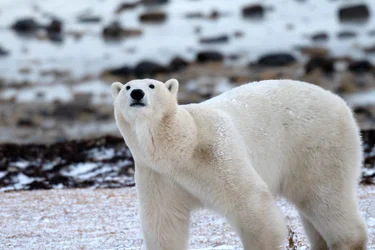
Churchill Polar Bear Tours by Train offer travellers a unique chance to discover Churchill, a Manitoban town known as the polar bear capital of the world. Prime polar bear season in Churchill is from October to mid-November, when 900 to 1,000 polar bears eagerly await the formation of sea ice on the Hudson Bay. The dense population provides an extraordinary opportunity for observing polar bears in their natural habitat. Churchill's abundant wildlife includes Arctic foxes, beluga whales, seals, and various bird species. Visitors can explore the area and marvel at the tundra landscape on thrilling Tundra Buggy expeditions and other tours.
The train to Churchill Manitoba forms part of world-class itineraries designed for travellers seeking direct access to tundra landscapes and wildlife habitats. The Churchill train passes through boreal forest, subarctic terrain, and Indigenous communities, creating a continuous transition from prairie to tundra.
The team at Canadian Train Vacations by Fresh Tracks Canada help travellers plan trips to Churchill for polar bear viewing. Continue reading to learn what it's like on a polar bear tour in Churchill.
The Polar Bear Capital of the World is Churchill, Manitoba. Churchill serves as a home base for conservation and outreach efforts. Polar Bear International House is a public centre, where people visit to learn about polar bears and polar bear research.
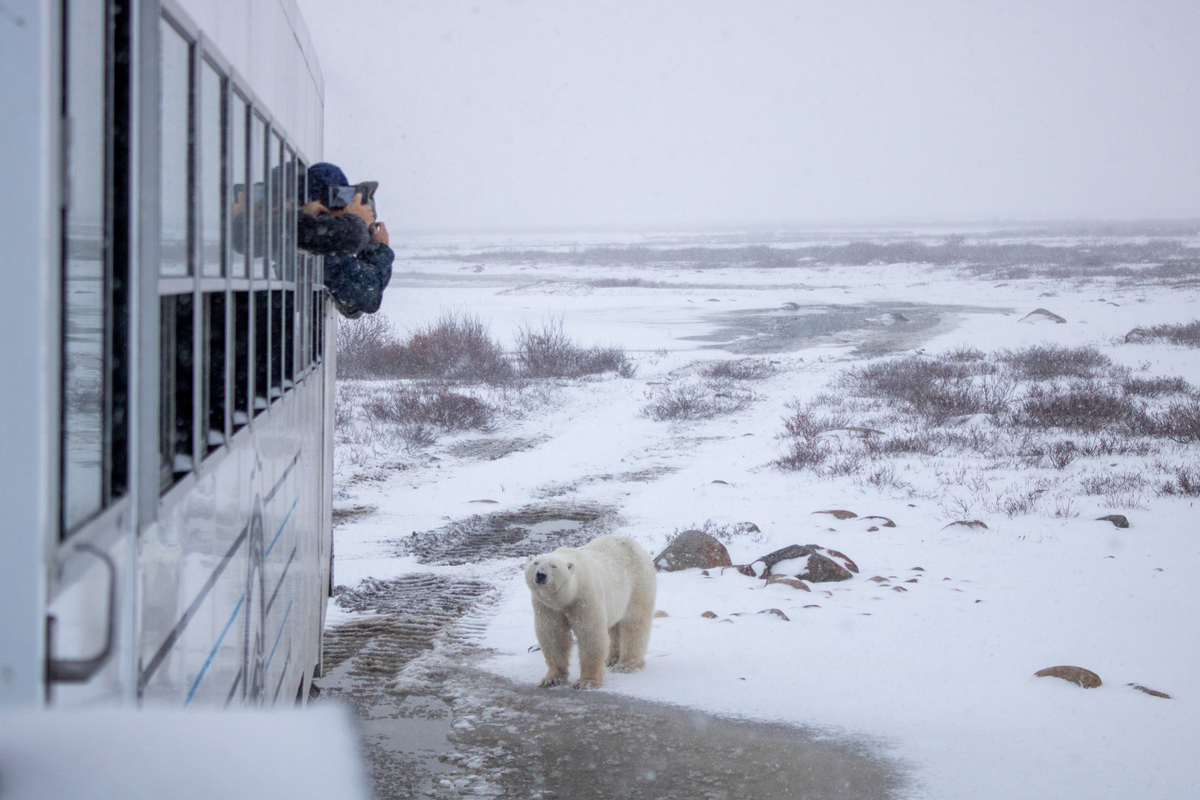
Visitors must board an exclusively designed Tundra Buggy and journey into the Churchill Wildlife Management Area (CWMA) for the best polar bear viewing experience. The creation of the original tundra vehicle, the Tundra Buggy, made venturing amongst polar bears in Churchill possible. The all-terrain vehicles are designed for the northern landscape and provide access to remote locations, which are best for safely viewing and photographing wildlife. The chances of seeing the bears up close are excellent and the number of visitors to the CWMA is restricted. Visitors witness other wildlife, including arctic foxes, ptarmigans, and snowy owls, and capture incredible, up-close photographs of polar bears.
Crossing the street
Churchill has a small population and only a few shops and restaurants. Don’t worry too much about looking for traffic before you cross the street, but always look left and right for a polar bear!
Katherine FoxcroftDirector of Product: Hotels, Tours and Excursions
The natural environment of Churchill's Arctic wildlife thrives within a unique ecosystem. The region is defined by its proximity to Hudson Bay, the expansive tundra, and the sprawling boreal forest.
Unique features:
The unique features of Churchill’s landscape (subarctic terrain, seasonal ice, and minimal human activity) create an ideal habitat for Arctic wildlife. Polar bears congregate in Churchill, near Hudson Bay, in October-November, awaiting ice for seal hunting. Arctic foxes, snowy owls, and ptarmigans live year-round, using camouflage and thick fur to endure harsh conditions. The lack of major roads as well as the low human population makes it possible to maintain the pristine natural habitats in Churchill. This supports wildlife and their migratory patterns in the severe climate landscapes, creating one of Canada’s most concentrated and observable Arctic ecosystems.
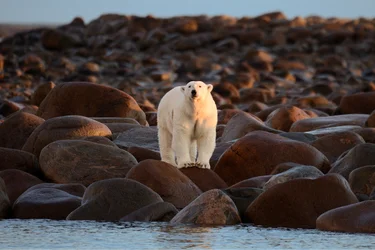
Hudson Bay provides a crucial habitat for various marine life (beluga whales and seals). The Hudson Bay influences the seasonal movements and behaviour of polar bears. It is one of the reasons why Churchill is a prime location for polar bear tours.
The vast tundra of Churchill is a land of rugged beauty, characterized by low-lying vegetation, lichens, and mosses. The treeless expanse supports an abundance of species (polar bears, Arctic foxes, and Arctic hares). Migratory birds flock to the region during the summer.
The boreal forest surrounding Churchill showcases a different facet of the region's natural environment. The vast woodland is home to diverse species (black bears, wolves, moose, and a variety of bird species). The boreal forest provides a vital habitat for the creatures, offering shelter and sustenance.
The key species that live in Churchill’s subarctic ecosystem include polar bears, arctic foxes, and arctic hares. Travellers enjoy a rare opportunity to observe northern wildlife in its natural habitat. Polar bears are often seen in October and November, when they wait for the sea ice to form on Hudson Bay. Arctic foxes roam year-round, with their thick fur and camouflage protecting them from the elements. Snowy owls and ptarmigans are also seen during guided tours.
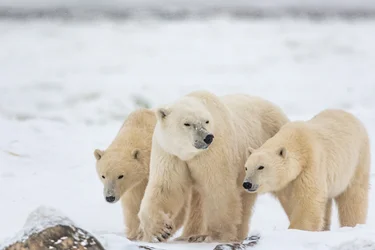
Polar bears are commonly seen in Churchill (the Polar bear capital of the world). A significant population of these majestic creatures inhabit the area during the fall months. These months are prime polar bear season.
Arctic foxes are well-suited to the Arctic tundra, where they blend seamlessly into the snowy landscape, with their small ears and thick, white coat. Their coats change to brown in the spring or summer.
Arctic hares are found darting across the tundra, with white fur serving as camouflage against the snow, protecting them from predators.
Best Churchill polar bear tours by train combine remote rail travel with guided wildlife experiences in northern Manitoba. The packages include VIA Rail’s Vancouver to Winnipeg train journey and a flight from Winnipeg to Churchill, offering access to polar bear habitats during the October and November migration. Each itinerary features tundra buggy excursions, cultural visits, and Arctic wildlife viewing, such as polar bears, Arctic foxes, and ptarmigans. Accommodations, transfers, and expert tours ensure a smooth experience in Canada’s remote subarctic, appealing to travellers interested in nature, Indigenous culture, and scenic rail travel.
Places visited: Vancouver, Winnipeg, Churchill

Places visited: Vancouver, Campbell River, Knight Inlet Lodge, Winnipeg, Churchill

Take our quiz to receive personalized trip recommendations

No sign up required
Things to expect on a Churchill polar bear train tour are listed below.


The train journey from Winnipeg to Churchill is like an adventure through remote landscapes, offering basic onboard comfort and access to polar bear territory in northern Manitoba. Departure starts at Winnipeg Union Station, where VIA Rail’s Churchill train heads north over 1,690 km of wilderness, passing boreal forest, muskeg wetlands, and tundra, showing a gradual shift from prairie to Arctic. Wildlife sightings (moose, foxes, and migratory birds) are influenced by seasonal vegetation and light changes. A stark tundra near Hudson Bay appears, where polar bears gather in October and November, awaiting sea ice.
The onboard experience includes Economy and Sleeper Class seating with basic amenities for long-distance travel. Meals are available for purchase, and restrooms are in each car. The train offers a checked baggage service and travellers can also bring carry-on luggage. Comfort varies by class, with sleeper compartments offering privacy and extended rest. There is no Wi-Fi or entertainment, encouraging observation and reflection during the two-day trip. Churchill is home to 900 to 1,000 polar bears in peak season, which is one of the facts about Polar Bears in Canada, making Churchill a prime destination for polar bear viewing. It offers scenic travel, tundra buggy trips, dog sledding, and wildlife viewing in areas inaccessible by road.
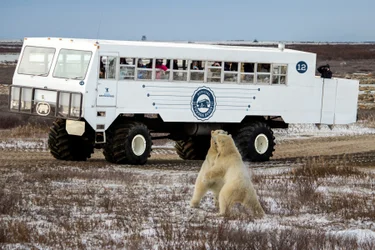
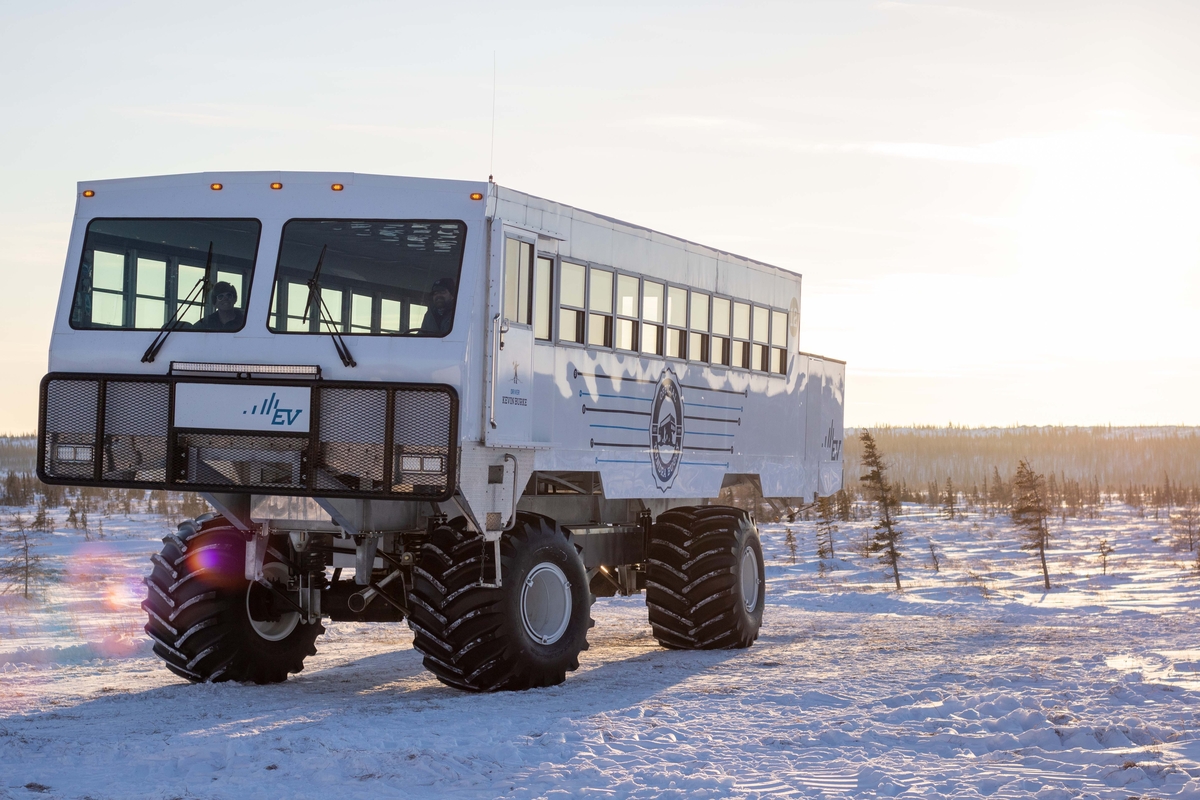
The tundra buggy experience for polar bear watching in Churchill, Manitoba, is unparalleled. The remarkable vehicles are designed to provide a safe and exciting experience for polar bear tours. The unique features of the Tundra Buggy ensure that visitors view polar bears while respecting the natural environment. The vehicle's height means that visitors are safely out of reach if polar bears approach the Tundra Buggy. It protects polar bears and visitors.
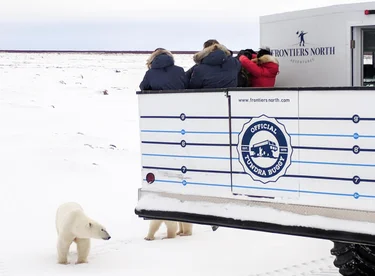
The vehicle includes a raised deck that allows passengers to observe polar bears from above ground level. The height provides clear sight lines across the tundra while maintaining a safe distance from wildlife.
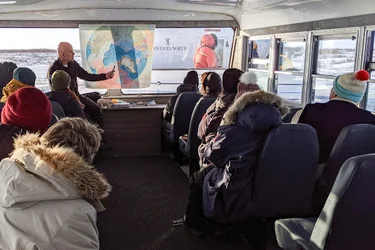
Each buggy includes padded seats arranged to allow movement and visibility without crowding. The layout supports extended excursions across the tundra without discomfort.
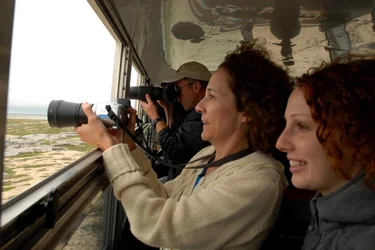
Each buggy is equipped with wide, reinforced windows that offer unobstructed views of the landscape. The design ensures that every passenger has a window seat and can enjoy close-up photography.
The enclosed space features onboard heating, which maintains comfort during sub-zero temperatures. The feature supports extended excursions without exposure to harsh Arctic conditions.
.jpg?auto=webp&format=webp&width=375&max_age=31536000)
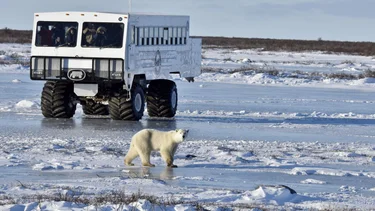
The buggy’s oversized tires and reinforced suspension allow travel across uneven, frozen ground. These mechanical features ensure stability and access to polar bear habitats unreachable by standard vehicles.
Elevated viewing platform
Spacious, comfortable seating
Large windows

Elevated viewing platform
The vehicle includes a raised deck that allows passengers to observe polar bears from above ground level. The height provides clear sight lines across the tundra while maintaining a safe distance from wildlife.

Spacious, comfortable seating
Each buggy includes padded seats arranged to allow movement and visibility without crowding. The layout supports extended excursions across the tundra without discomfort.

Large windows
Each buggy is equipped with wide, reinforced windows that offer unobstructed views of the landscape. The design ensures that every passenger has a window seat and can enjoy close-up photography.

Heated interior cabin
The enclosed space features onboard heating, which maintains comfort during sub-zero temperatures. The feature supports extended excursions without exposure to harsh Arctic conditions.
.jpg?auto=webp&format=webp&width=263&max_age=31536000)
All-terrain tires and suspension
The buggy’s oversized tires and reinforced suspension allow travel across uneven, frozen ground. These mechanical features ensure stability and access to polar bear habitats unreachable by standard vehicles.
The important notes about tundra buggy tours are listed below.
.jpg?auto=webp&format=webp&width=375&max_age=31536000)
Tours run during October and November for polar bear viewing, as this is when polar bear migration reaches its peak near the Hudson Bay coastline. The timing aligns with colder temperatures and increased bear activity. During summer and winter, alternative tundra buggy tours are available for wildlife and Northern Lights viewing.
Each buggy accommodates up to 22 passengers, and seats fill quickly due to high demand. Early booking secures access to preferred dates and service levels.
Arctic conditions influence daily operations, with snow, wind, and visibility affecting departure times and route access. Adjustments occur to maintain safety and maximize wildlife encounters.
Polar bear sightings vary by day and location, with no guaranteed viewing. Guides monitor bear movement and adjust routes to improve observation chances.
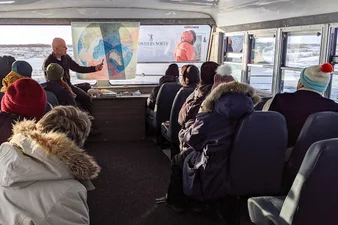
Each tour includes commentary from trained naturalists who explain polar bear behaviour, tundra ecology, and conservation efforts. The feature supports educational value throughout the journey.
Dogsledding adventures in Churchill, Manitoba, add an extra layer of excitement to polar bear tours. Dogsledding has a rich history and cultural importance in Manitoba, dating back to the time of the Thule people. Modern-day dogsledding tours in Churchill provide visitors with an opportunity to engage in an age-old tradition while exploring the pristine wilderness. Riding across the snowy landscape, pulled by a team of energetic and well-trained huskies, is an exhilarating way to appreciate Churchill's natural environment.
Professional guides lead your tour to see polar bears in Churchill. The knowledgeable guides provide expert insight into the area, ensuring visitors gain a deep understanding of the wildlife and landscape around Churchill. Guides ensure the safety of participants in navigating the Arctic terrain and viewing polar bears with caution. The tour guides enjoy sharing fascinating stories and answering questions about the remarkable wildlife of Churchill.
Safety measures to protect visitors and wildlife are in place when it comes to Churchill Polar Bear Tours. Manitoba Conservation sets guidelines that limit the number of tundra vehicles, reducing the impact on the environment.
The measures include restrictions on travel routes and designated areas, safeguarding the delicate Arctic ecosystem. Visitors safely explore the wilderness with peace of mind by adhering to the guidelines, knowing that their adventure protects the natural habitat of polar bears and other wildlife.
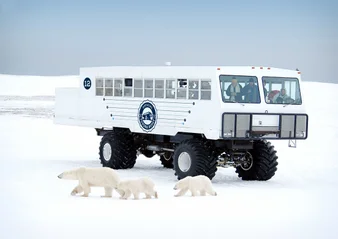
The best time to see polar bears in Churchill, Manitoba, occurs from early October through mid-November, when the animals gather near Hudson Bay to wait for sea ice to form. The tundra landscape starts to transition into a winter wonderland during the fall months, with temperatures dropping below freezing level and daylight hours shortening.
The cold, crisp air and early snowfall create ideal conditions for observing polar bears in their natural environment, particularly from tundra buggies that travel across the icy terrain. The region begins to cool in September, and early bear sightings are possible, although the concentration remains low. October brings increased polar bear activity along the coast, with more frequent sightings and greater animal interaction. November marks the peak of the migration, as bears prepare to hunt seals once the bay freezes. The bears begin to disperse onto the ice by December, reducing the chance of sightings near Churchill.
Summer trips to Churchill are primarily for viewing beluga whales but it's also possible to see polar bears during this time. In July and August, guided boat and zodiac excursions take travellers to see polar bears along the shoreline or in the water.
Polar bear viewing in curated itineraries aligns with the seasonal window. Each tour combines VIA Rail travel with guided excursions, cultural experiences, and wildlife photography. Visiting Churchill is one of the best things to do in Manitoba and it offers a variety of seasonal activities (dogsledding, northern lights viewing, and visits to local museums and interpretive centres). The polar bear season remains the most sought-after time to visit, drawing travellers interested in Arctic wildlife and subarctic landscapes.
To get to Churchill, Manitoba, by train, follow the six steps below.
Winnipeg to Churchill train cost starts from 241 CAD per traveller for an Economy class ticket on VIA Rail. Prices vary based on travel class, seasonal demand, and onboard amenities. Economy fares represent the most affordable option and include standard seating without access to private sleeper cabins or beds. The economy class suits travellers seeking basic transportation through northern Manitoba’s remote terrain.
Pricing in the category fluctuates based on departure dates, with higher rates during polar bear season in October and November. Sleeper class offers upgraded comfort, with private cabins that feature daytime seating and bunk-style beds, resulting in a higher fare. The inclusion of large picture windows and extended privacy contributes to the elevated cost of sleeper accommodations. Seasonal factors (wildlife migration and Northern Lights) influence demand, which affects ticket availability and pricing.
Canadian Train Vacations packages don’t include the Winnipeg to Churchill train. Instead, these polar bear trips include a sleeper-train experience on VIA Rail's The Canadian train from Vancouver to Winnipeg and a flight from Winnipeg to Churchill. The Sleeper Plus class is included on the train, ensuring a comfortable two-day journey from Vancouver to Winnipeg. Pricing details depend on itinerary length, class selection, and coordination with guided excursions in Churchill.
Accommodations on polar bear tours have limited options. Churchill is a small town in a remote location. There are cozy inns and simple bed-and-breakfasts, rather than 5-star resorts. For example, the Tundra Inn is a charming family-run property offering comfortable, spacious rooms. It’s best to reserve Churchill accommodation early for the months of October and November which are peak polar bear season.
Winnipeg is the starting point for polar bear tours, since it’s easy to catch a flight to Churchill from here. Polar bear packages from Canadian Train Vacations include a night in a Winnipeg airport hotel before the flight to Churchill. Travellers can extend their vacation by staying in Winnipeg longer. It’s possible to add on nights before or after the polar bear viewing adventure.
The Canadian Train and Polar Bear Tours cost around 16,240 CAD per person. The 10-day trip combines the VIA Rail sleeper train from Vancouver to Winnipeg with a 3-night polar bear adventure in Churchill, allowing visitors to see more of Canada's beautiful scenery and wildlife. The Lords of the Wilderness trip offers the chance to see grizzly bears and polar bears. Prices start from 22,390 CAD per person.
The clothes to wear on a polar bear watching trip are listed below.
Wearing appropriate clothing ensures travellers are comfortable during a polar bear watching trip. Visitors embrace the Arctic environment while staying warm and protected. Some polar bear tour packages offer winter clothing rentals. Options include snow pants and snow boots. Please ask the travel experts at Canadian Train Vacations about these winter clothing rentals at the time of booking.
Always have layers
The Tundra Buggy has an outdoor platform which is great for when you want to take photos of polar bears. Wrap up warm though as it gets very cold!
Louise WeissDirector of Legendary Hospitality
Churchill polar bear tours are the most concentrated and accessible wildlife viewing experience compared to other Canadian polar bear trips. Churchill is home to 900 to 1,000 polar bears from October to mid-November, the peak migration season. The polar bears congregate near Hudson Bay in northern Manitoba. No other Canadian location matches its density, making Churchill the top spot for observing polar bears in their natural habitat.
Churchill is accessible by train or plane from Winnipeg, unlike remote Arctic areas, allowing visitors to experience subarctic wildlife without expedition logistics. The town offers guided tundra buggy tours, dogsledding, and interpretive tours to coincide with polar bear migration. Other Canadian polar bear regions (Nunavut or the Northwest Territories) have smaller populations and limited tourism infrastructure. The areas require specialized permits, unpredictable weather routing, and longer travel times, which reduce sightings and increase logistical challenges. Churchill's rail access, concentrated bear activity, and trained guides lead to higher sighting rates and safer viewing opportunities. Cultural centres, Indigenous-led experiences, and photography programs make Churchill, Canada, the most exciting and practical polar bear destination.
A combination of cross-country rail travel with guided wildlife excursions in Churchill, Manitoba. The journey starts in Vancouver and ends in Winnipeg after 10 days of scenic travel and Arctic exploration. It includes VIA Rail’s ride through the Canadian Rockies, a flight to Churchill for polar bear viewing, and coordinated accommodations, transfers, and guided activities like tundra buggy tours and dogsledding. The trip features wildlife viewing, cultural activities, and panoramic landscapes across western and northern Canada.
Available:
Length:
Time on train:
Price from:
Train type:
The Lords of the Wilderness Bear Viewing trip is a 15-day itinerary with time to explore coastal rainforest landscapes and Arctic wildlife. The trip includes a flight to Campbell River, a float plane transfer to the Great Bear Rainforest, and grizzly bear viewing at Knight Inlet Lodge. Travellers return to Vancouver and take VIA Rail’s The Canadian sleeper train through the Rockies to Winnipeg. The journey ends with polar bear viewing in Churchill, dogsledding, and tundra buggy excursions.
Available:
Length:
Time on train:
Price from:
Train type:
Book your train journey in Canada with Canadian Train Vacations for the reasons listed below.
About the Author: Katherine is Director of Product with Fresh Tracks Canada. Having worked in the Canadian travel industry for almost 20 years, she enjoys sharing her local expertise with visitors. She is based in Calgary and one of her favourite Canadian destination is... Read more
Useful Links
Canadian Train Trip FinderCanadian Train Tours for SeniorsWhere to go in CanadaJourneys Across CanadaCanadian Rockies and West CoastEastern Canada and The MaritimesCanadian North and ArcticEastern Canada Train ToursWestern Canada Train ToursTrain Trips from VancouverRoad Trips and Self DrivesFamily AdventuresVacations for Active SeniorsCanadian History and Culture TripsWildlife Viewing Train VacationsCanadian Pacific RailwayExplore Canada
VIA Rail Train Across CanadaRocky Mountaineer Train TripsThe Canadian TrainRocky Mountaineer Train CostCanadian Rockies Train TripsBest Train Trip in CanadaLuxury Train CanadaCanadian Sleeper TrainVancouver to Banff TrainToronto to Vancouver TrainTrain from Calgary to VancouverBanff to Jasper TrainWinter Train CanadaVIA Rail Prestige ClassBest Alaska Cruise and Train PackageVIA Rail PricesPopular Train Trips
Trans Canada TrainCanada Coast to Coast TrainCanada Cross Country TrainVancouver to Toronto Train TripCanadian Rockies Train TripToronto to Quebec City TrainLuxury Train Trip from Montreal to Quebec CityWinter Train WonderlandCalgary to Toronto Train TripRocky Mountaineer and Alaska CruiseBanff and Jasper Tours from CalgaryLords of the Wilderness Bear ViewingRockies Winter Wonderland by TrainCanadian Cross-Country Journey in WinterEssential Rockies by TrainThe Canadian Train Prestige Class CostCanadian Train Vacations
About Us© 2026 Fresh Tracks Canada


