2027 trips at 2026 prices
Complete Canadian Rockies by Train
8 days • April – October
Places visited: Vancouver, Kamloops, Jasper, Lake Louise, Banff
Loading...
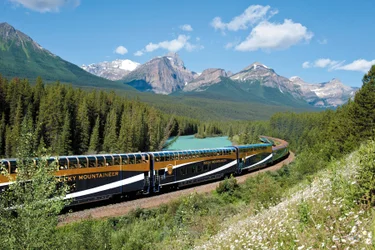
The Rocky Mountaineer operates from mid-April to mid-October. The best time to do the Rocky Mountaineer depends on your priorities: choose mid-September to early October for fall colours and wildlife viewing, June to August for long daylight hours, warm weather and turquoise lakes, or April and May for snow-capped peaks and the lowest prices of the season. The 2026 season runs four routes through Western Canada, including journeys that connect Vancouver to Banff, Lake Louise, or Jasper.
Travellers select the best time to travel with the Rocky Mountaineer train based on scenic visibility, journey pacing, pricing, and the additional experiences available during the operating season.
The best-selling Rocky Mountaineer train trips are listed below:
2027 trips at 2026 prices
Places visited: Vancouver, Kamloops, Jasper, Lake Louise, Banff
2027 trips at 2026 prices
Places visited: Vancouver, Kamloops, Lake Louise, Banff
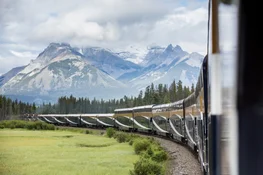
Places visited: Vancouver, Kamloops, Banff, Jasper
|
Season |
Scenery |
Weather |
Popularity |
Best for |
|
Spring (April to May) |
Snow-capped peaks, rushing waterfalls from snowmelt, emerging greenery |
Cool mornings, mild afternoons |
Low |
Wildlife viewing, photography, budget-conscious travellers |
|
Late spring and early summer (June) |
Lush green valleys, blooming wildflowers, snow on higher peaks |
Warm, longest daylight hours |
Moderate |
Balanced experience, families, first-time travellers to the Rockies |
|
Peak summer (July to August) |
Vibrant forests and alpine wildflowers, turquoise lakes |
Warm to hot |
Highest |
First-time travellers to the Rockies, hiking, canoeing and boating |
|
Early fall (September) |
Golden larches, fall foliage, snow-dusted peaks |
Mild days, chilly evenings |
Moderate |
Photographers, wildlife enthusiasts, people who want to see fall colours |
|
Late fall (October) |
Lingering fall foliage, snow-dusted peaks, dark starry skies |
Cool temperatures, shorter days |
Low |
Travellers looking for a quiet, relaxed experience in the Rockies |
The best season to travel with Rocky Mountaineer depends on scenic priorities, daylight length, and landscape accessibility across the Canadian Rockies. Rocky Mountaineer operates on a seasonal schedule from spring through early fall, aligning with extended daylight hours, stable mountain conditions, and clear scenic visibility. Each season offers a distinct visual experience shaped by natural conditions rather than changes in onboard train service.
Spring travel emphasizes visual contrast, with lingering snow at higher elevations and emerging greenery in valleys and river corridors. Summer provides the longest daylight hours and the most consistent access to alpine landscapes, lakes, and national parks. Fall highlights cooler air, clearer visibility and seasonal colour transitions across forests and interior valleys, offering a visually dramatic conclusion to the Rocky Mountaineer operating season.
Why spring is considered the best season to travel
Spring is considered the best season to travel for many guests because seasonal changes across the Canadian Rockies are especially visible during Rocky Mountaineer train journeys. The operating season typically begins in mid-April, marking the start of Rocky Mountaineer service for the year. Snowmelt increases water flow through rivers and waterfalls, lower valleys begin to show early greenery, wildlife emerges from hibernation, and higher elevations retain snow coverage that adds contrast to mountain scenery.
Spring offers dramatic lighting conditions, with soft morning sunlight illuminating the snow-covered peaks. The cooler temperatures create clear visibility, making it an ideal time to capture the majestic landscapes without the haze that can occur in summer.
One of the biggest advantages of traveling in spring is it is a quieter time to travel to the Canadian Rockies. Since it’s the shoulder season and there is lower demand for Rockies train trips, travelers can often secure better pricing and availability for hotels and train experiences. The combination of scenic snow-capped peaks and lush landscapes, increased wildlife viewing opportunities, and cheaper prices is an advantage of early-season Rockies rail travel.
Spring travel months
Spring travel months for Rocky Mountaineer train departures are mid-April through late May, depending on route and annual conditions. April features lingering snow at higher elevations alongside exposed canyon walls and active river systems. May brings longer daylight hours, greater access to destinations in the Rockies, and continued seasonal transition across the region.


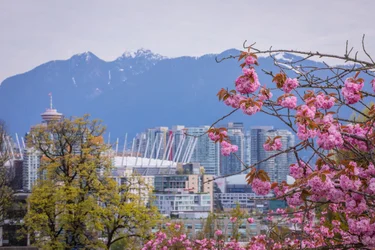
Vancouver is a primary departure point for Rocky Mountaineer train routes during spring. The city's gardens are in full bloom with cherry blossoms and tulips and it's a great time for walks along the seawall. April is also the beginning of whale watching season in Vancouver.
Things to do
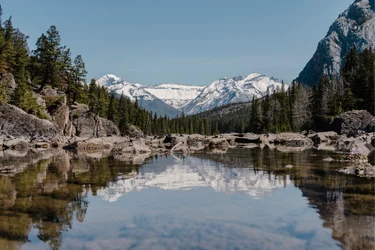
Banff in spring marks the seasonal transition from winter to summer in the Canadian Rockies. As snow recedes from valley floors, road access improves and wildlife activity increases. Banff is a popular overnight destination on Rocky Mountaineer routes, where spring travel offers a balance of mountain scenery, fewer crowds, and changing alpine conditions.
Things to do
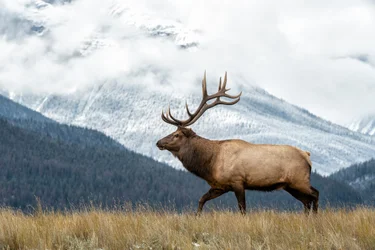
Jasper in spring offers early-season access to the largest national park in the Canadian Rockies. As snow melts, lower-elevation valleys and river corridors come alive with wildlife and wildflowers. Jasper is a key destination for Rocky Mountaineer journeys and spring conditions create a quieter atmosphere before peak summer travel.
Things to do
Vancouver in Spring
Whistler in Spring
Lake Louise in Spring

Vancouver in Spring
Vancouver is a primary departure point for Rocky Mountaineer train routes during spring. The city's gardens are in full bloom with cherry blossoms and tulips and it's a great time for walks along the seawall. April is also the beginning of whale watching season in Vancouver.
Things to do

Whistler in Spring

Lake Louise in Spring

Banff in Spring
Banff in spring marks the seasonal transition from winter to summer in the Canadian Rockies. As snow recedes from valley floors, road access improves and wildlife activity increases. Banff is a popular overnight destination on Rocky Mountaineer routes, where spring travel offers a balance of mountain scenery, fewer crowds, and changing alpine conditions.
Things to do

Jasper in Spring
Jasper in spring offers early-season access to the largest national park in the Canadian Rockies. As snow melts, lower-elevation valleys and river corridors come alive with wildlife and wildflowers. Jasper is a key destination for Rocky Mountaineer journeys and spring conditions create a quieter atmosphere before peak summer travel.
Things to do

Why summer is considered the best season to travel
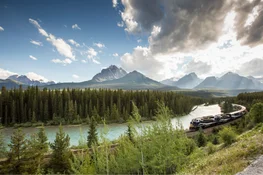
Summer is considered the best season to travel because the Rocky Mountaineer train operates during the longest daylight hours, with stable mountain weather and consistent access across rail routes in the Canadian Rockies. Extended daylight supports panoramic viewing through canyons, river valleys, and alpine passes, while snow-free conditions reveal high-elevation landscapes and national park trails.
Wildlife is particularly abundant in summer, with bears, elk, bighorn sheep, and bald eagles commonly spotted. Many travelers combine their Rocky Mountaineer experience with outdoor activities in Banff, Jasper, and Lake Louise, as summer is the best time for hiking, canoeing, and lake cruises.
Since this is the peak travel season, booking well in advance is essential to secure preferred departure dates and service levels. While prices are generally higher in summer, the perfect weather conditions and unparalleled mountain views make it worth the investment. Summer offers the most consistent scenic conditions and reliable operations in the Canadian Rockies and across Western Canada rail routes.
Summer travel months
Summer travel months for the Rocky Mountaineer Train are June through early September. June brings extended daylight and fresh alpine scenery following spring snowmelt, while July and August provide the longest viewing windows, warm daytime temperatures, and the most predictable weather conditions of the operating season. Early September retains summer-like visibility with slightly shorter daylight and marks the transition from peak travel season into fall.
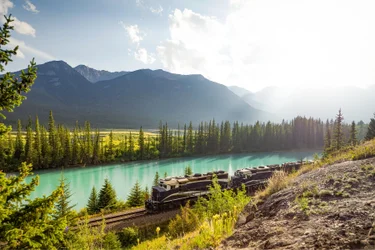


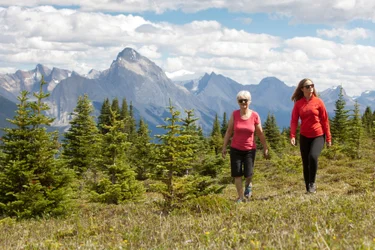
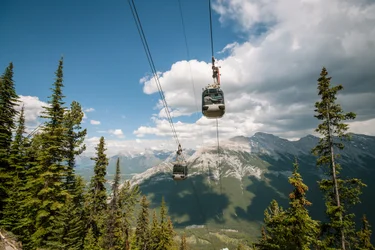
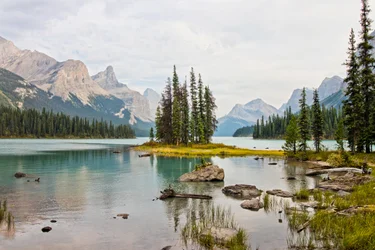
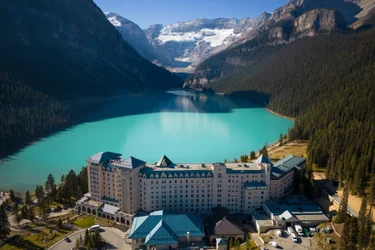
Lake Louise in summer showcases high-alpine scenery defined by turquoise lakes, glacier-fed peaks, and subalpine meadows. Snow-free trails and extended daylight create ideal conditions for sightseeing. As a key stop along Rocky Mountaineer rail routes, Lake Louise offers easy access to iconic viewpoints in Banff National Park.
Things to do
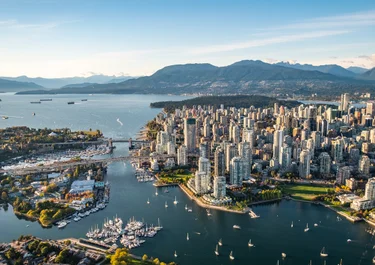
Vancouver in summer features warm weather and long daylight hours. Set between the Pacific Ocean and the Coast Mountains, the city offers easy access to waterfront paths, neighbourhoods and parks. It serves as a key rail gateway and overnight stop on Rocky Mountaineer itineraries in Western Canada.
Things to do
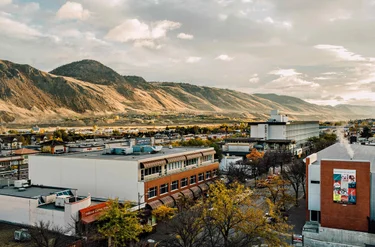
Banff National Park in Summer
Jasper National Park in Summer
Lake Louise in Summer

Banff National Park in Summer

Jasper National Park in Summer
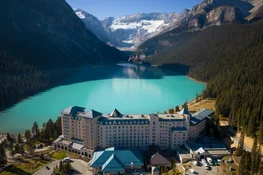
Lake Louise in Summer
Lake Louise in summer showcases high-alpine scenery defined by turquoise lakes, glacier-fed peaks, and subalpine meadows. Snow-free trails and extended daylight create ideal conditions for sightseeing. As a key stop along Rocky Mountaineer rail routes, Lake Louise offers easy access to iconic viewpoints in Banff National Park.
Things to do

Vancouver in Summer
Vancouver in summer features warm weather and long daylight hours. Set between the Pacific Ocean and the Coast Mountains, the city offers easy access to waterfront paths, neighbourhoods and parks. It serves as a key rail gateway and overnight stop on Rocky Mountaineer itineraries in Western Canada.
Things to do

Kamloops in Summer
Why fall is considered the best season to travel
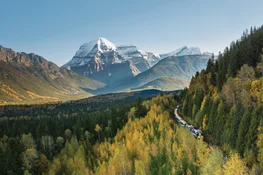
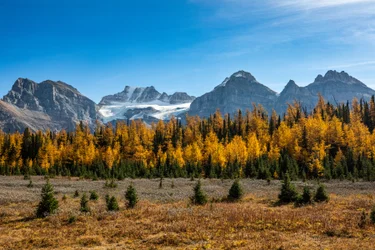
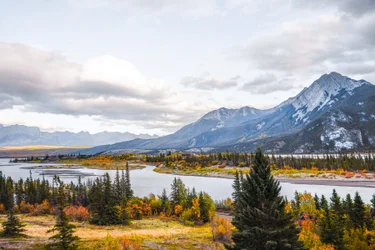
Fall is considered the best season to travel because Rocky Mountaineer train journeys coincide with peak autumn colours and cooler, clearer mountain conditions across the Canadian Rockies. September and early October bring golden larch trees, vivid evergreen forests, and early snowfall at high elevations, creating strong visual contrast along rail routes during daylight hours.
Fall brings crisp air and clear visibility. As temperatures drop, wildlife becomes more active, preparing for winter. Travelers have a good chance of spotting elk, moose, and bears in the valleys. The cooler weather creates excellent visibility, offering some of the clearest mountain views of the year. October is the last month of the Rocky Mountaineer operating season and the Canadian Rockies see fewer visitors than in summer.
Fall travel months
Fall travel months for the Rocky Mountaineer train typically span September through October. Mid to late September offers some of the most vibrant autumn foliage across valleys and foothills with sufficient daylight for full scenic coverage. Mid to late October marks the closing phase of the operating season, depending on route and year. October offers cooler temperatures, shorter daylight hours, and visible contrast between fall forests and snow-dusted mountain peaks.
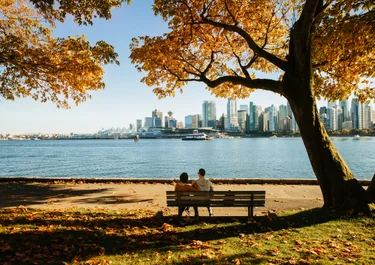
Vancouver remains a key coastal rail gateway during the fall season, with cooler temperatures and seasonal colour visible in parks such as Stanley Park and along the city’s tree-lined streets. Fall conditions support smooth pre- and post-rail connections, with daylight travel aligning well with Rocky Mountaineer schedules.
Things to Do
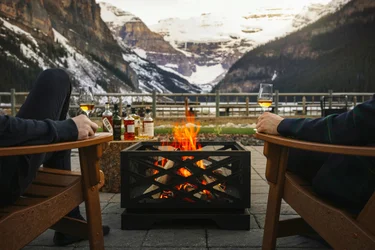
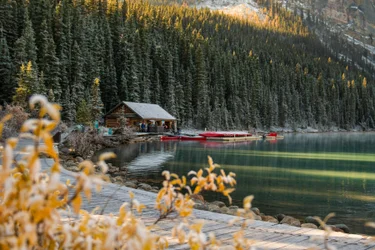
Lake Louise in fall reflects the seasonal transition in the Canadian Rockies, with golden larches, cooler temperatures and early snowfall at higher elevations. The lake’s turquoise water contrasts with surrounding forested slopes and snow-dusted peaks, creating a distinct fall landscape.
Things to Do
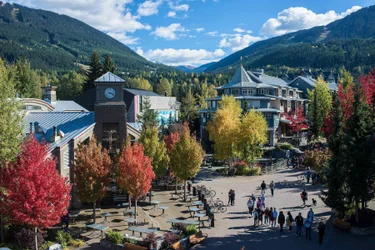
Whistler in fall offers a quieter mountain setting as summer crowds ease and seasonal colours shift across forests and valley slopes. Cooler temperatures and clear conditions improve visibility of surrounding peaks. Fall is a popular time for hiking, biking and sightseeing, with trails, lakes and village areas remaining accessible before winter conditions begin.
Things to Do
Banff National Park in Fall
Jasper National Park in Fall
Vancouver in Fall

Banff National Park in Fall

Jasper National Park in Fall

Vancouver in Fall
Vancouver remains a key coastal rail gateway during the fall season, with cooler temperatures and seasonal colour visible in parks such as Stanley Park and along the city’s tree-lined streets. Fall conditions support smooth pre- and post-rail connections, with daylight travel aligning well with Rocky Mountaineer schedules.
Things to Do

Lake Louise in Fall
Lake Louise in fall reflects the seasonal transition in the Canadian Rockies, with golden larches, cooler temperatures and early snowfall at higher elevations. The lake’s turquoise water contrasts with surrounding forested slopes and snow-dusted peaks, creating a distinct fall landscape.
Things to Do
Whistler in Fall
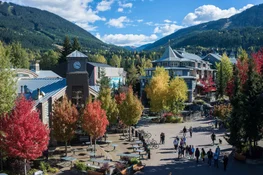
Whistler in fall offers a quieter mountain setting as summer crowds ease and seasonal colours shift across forests and valley slopes. Cooler temperatures and clear conditions improve visibility of surrounding peaks. Fall is a popular time for hiking, biking and sightseeing, with trails, lakes and village areas remaining accessible before winter conditions begin.
Things to Do
Combine your train journey with a Northern Lights trip
Did you know that fall is one of the best times to see the Northern Lights in Canada? Ask us about how you can combine your Rocky Mountaineer trip with an aurora viewing experience in the Yukon or Northwest Territories.
Katherine FoxcroftDirector of Product: Hotels, Tours and Excursions
|
Month |
Operating status |
Highlights |
Pricing (CAD per person in 2026) |
|
April |
Season starts mid-month |
Snow-covered peaks and quiet early-season departures, bears start to emerge from hibernation |
SilverLeaf from $2,289 |
|
May |
Full operation |
Rushing waterfalls, spring wildlife activity and fresh greenery |
SilverLeaf from $2,789 |
|
June |
Full operation |
Warm weather and the longest daylight hours of the season |
SilverLeaf from $2,829 |
|
July |
Peak season |
Warm weather, turquoise lakes, hiking trails and boat tours available. Can combine with Calgary Stampede |
SilverLeaf from $2,829 |
|
August |
Peak season |
Warmest month, summer sightseeing and outdoor activities. Can combine with whale watching in Vancouver |
SilverLeaf from $2,829 |
|
September |
Peak season |
Golden larches, autumn colours in the Rockies, bears near rivers during the salmon run, elk rutting season |
SilverLeaf from $2,999 |
|
October |
Season closes mid-month |
Late-season fall foliage, snowfall on the mountain peaks, stay in Jasper longer for stargazing and the Dark Sky Festival |
SilverLeaf from $2,769 |
For full 2026 pricing by route, see our Rocky Mountaineer Train Cost guide.
The seasonal activities you can enjoy alongside the Rocky Mountaineer are listed below.
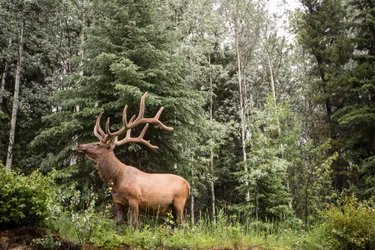
Spring travel along Rocky Mountaineer routes offers a transitional landscape period that supports wildlife visibility across river valleys and lower elevation corridors. Bears emerge from hibernation during this time. Seasonal change from winter to spring creates open sightlines and varied scenery that complement daylight rail travel.
Summer provides the most consistent conditions for alpine hiking near destinations served by Rocky Mountaineer, including Banff, Lake Louise, and Jasper. Snow-free terrain, open trails, and extended daylight support access to alpine lakes, mountain passes, and national park landscapes alongside rail itineraries.
Fall travel highlights seasonal colour changes across forests and interior valleys along Rocky Mountaineer corridors. Cooler air and reduced haze improve visual clarity, creating strong contrast between autumn foliage, exposed terrain, and early snow at higher elevations.
Seasonal lighting conditions during summer and fall support landscape photography across canyons, ridgelines, lakes, and river systems visible from rail routes and nearby viewpoints.
September and October offer ideal conditions for viewing the night sky in Jasper National Park, one of the largest dark sky preserves in the world.
Don't miss the Calgary Stampede in July!
If you’re travelling in July, make sure to attend the Calgary Stampede! This is the world’s largest outdoor rodeo and can be combined with a Rocky Mountaineer trip to Banff.
Hannah Poaros-McDermottTravel Writer and Senior Content Coordinator
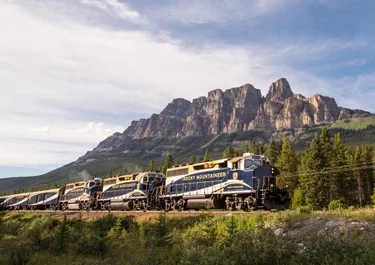
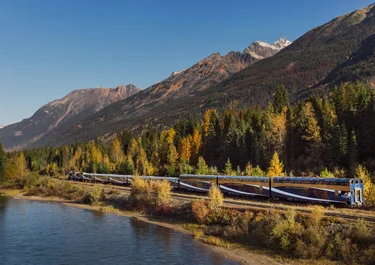
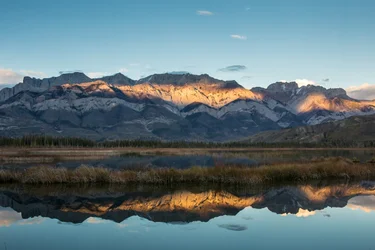
Ideal weather conditions for a Rocky Mountaineer train journey are mild temperatures, clear skies, low rainfall, stable weather patterns, snow-free routes, moderate humidity, calm winds, and long daylight hours. The conditions support onboard comfort, clear visibility and consistent scenic viewing throughout daylight-only rail travel. Rocky Mountaineer train itineraries are designed around seasonal daylight and scenic conditions to maximize panoramic viewing, maintain schedule reliability and showcase mountain landscapes across Western Canada.
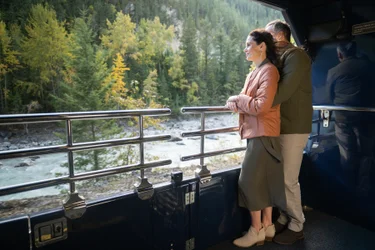
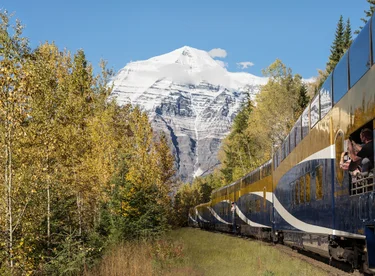
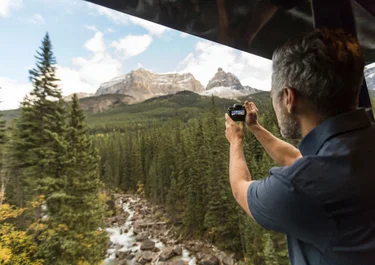
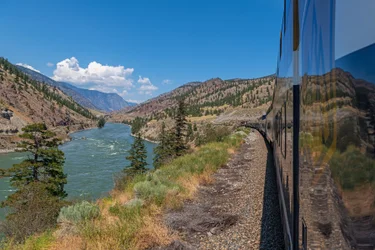
1. Mild temperatures
2. Clear skies and good visibility
3. Low rainfall days

1. Mild temperatures

2. Clear skies and good visibility

3. Low rainfall days

4. Stable weather patterns

5. Snow-free routes

6. Moderate humidity levels

7. Calm wind conditions
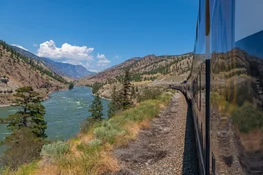
8. Long daylight hours
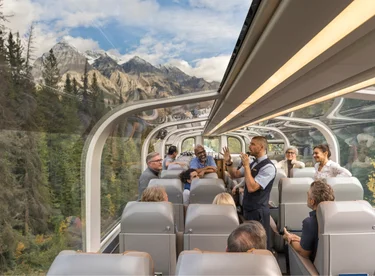
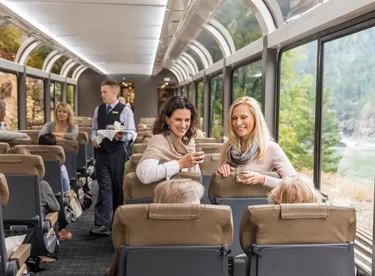

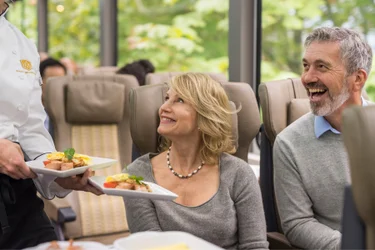
Service levels of the Rocky Mountaineer train define how comfort, scenic access, dining format, and onboard hosting shape the daytime rail experience. Rocky Mountaineer trains offer distinct service tiers structured around panoramic sightseeing, customized hospitality, and deliberate travel pacing rather than point-to-point transportation speed. Service levels of the Rocky Mountaineer train are SilverLeaf and GoldLeaf. Travellers choose the balance of amenities and scenic immersion that best aligns with their expectations for a luxury rail journey through Western Canada.
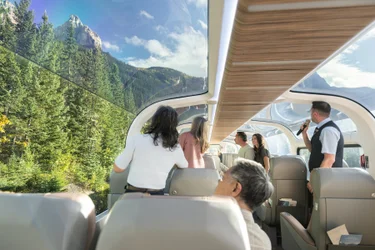

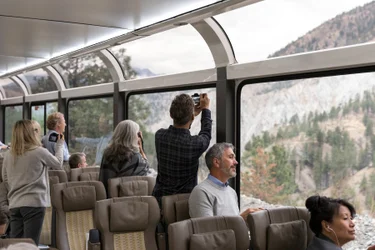
GoldLeaf service is the highest service level on Rocky Mountaineer. Passengers in GoldLeaf enjoy assigned seating on the upper level of a bi-level glass-dome coach. The lower level features a dining room and an outdoor viewing platform. The GoldLeaf experience includes chef-prepared multi-course meals served in the dining room and access to an exclusive outdoor viewing platform. Dedicated onboard hosts manage service flow and provide storytelling. GoldLeaf service is the premium experience on Rocky Mountaineer journeys through Western Canada.
-1100x733-91dab4a.jpg?auto=webp&format=webp&width=375&max_age=31536000)
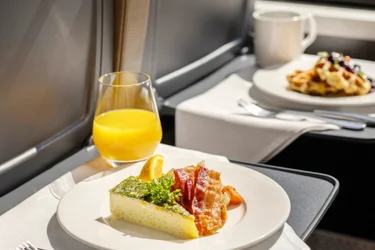
SilverLeaf service is a daytime rail experience focused on comfort, scenic access and attentive onboard service. SilverLeaf features large picture windows, spacious seating in a single-level glass-dome coach and gourmet meals served at your seat. SilverLeaf includes storytelling by Rocky Mountaineer hosts and a relaxed onboard atmosphere that supports uninterrupted daylight sightseeing across Rocky Mountaineer routes.
Quick facts about Rocky Mountaineer trains are listed below.
The top five places to visit with Rocky Mountaineer Trains highlight the most iconic landscapes and destinations connected by luxury daylight rail travel across Western Canada. Rocky Mountaineer Trains routes link coastal cities, mountain resorts, and national park landmarks, creating a curated journey that emphasizes scenery, accessibility, and regional character. Rocky Mountaineer Trains connects destinations that define the Canadian Rockies and Pacific corridor through carefully paced rail experiences rather than point-to-point transportation.
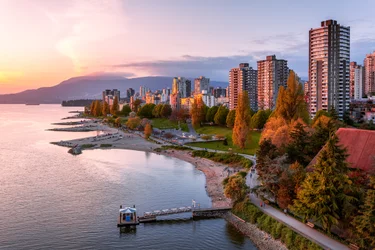
Vancouver is a major coastal city in Western Canada, located between the Pacific Ocean and the Coast Mountains. It serves as a primary gateway for Rocky Mountaineer train journeys, with several routes starting or ending here. The city combines natural scenery with an urban setting, featuring waterfront districts, mountain views and a well-established food and cultural scene, offering visitors plenty of things to do in Vancouver. Vancouver is a key starting point for rail travel into the Canadian Rockies.
Whistler is a mountain resort town in southwestern British Columbia, located in the Coast Mountains north of Vancouver. Whistler functions as a popular pre- or post-journey destination for Rocky Mountaineer travel and is also a featured overnight stop on the Rainforest to Gold Rush route. Whistler offers alpine scenery, outdoor recreation, and a pedestrian-oriented village environment. The town combines high-elevation landscapes with a compact village core, creating a destination shaped by mountains and lakes. There are a wide range of things to do in Whistler, including hiking, mountain biking and skiing.
Jasper National Park is the largest national park in the Canadian Rockies, known for its expansive wilderness, glacier-fed rivers and protected wildlife habitats. It serves as a major destination and overnight stop on Rocky Mountaineer rail journeys, placing travellers within a remote alpine setting defined by mountains, lakes and forests. The park includes the town of Jasper, where visitor services provide access to nearby highlights such as Maligne Lake, Athabasca Falls and the Icefields Parkway, shaping the range of things to do in Jasper National Park. Jasper National Park is a central Rockies highlight where rail travel connects to immersive mountain exploration.
Banff is a mountain town located within Banff National Park in the Canadian Rockies. Banff functions as a key destination for Rocky Mountaineer rail journeys, providing direct access to alpine scenery, cultural attractions, and established resort amenities. The town features a walkable core with historic buildings, surrounded by mountain landscapes and close to highlights such as Lake Louise, the Bow River and Tunnel Mountain, shaping the range of things to do in Banff.
Lake Louise is an alpine lake and mountain destination located within Banff National Park in the Canadian Rockies. It serves as a signature stop on itineraries connected to Rocky Mountaineer journeys, known for its turquoise glacial waters, surrounding peaks and the Victoria Glacier. The area offers access to hiking trails, viewpoints and the Fairmont Chateau Lake Louise, shaping the range of things to do in Lake Louise. Lake Louise is one of the most photographed and recognizable locations in the Canadian Rockies.
Complete Canadian Rockies by Train showcases the best of the Rockies – Jasper, Banff, and Lake Louise – at a leisurely pace. The 8-day itinerary includes a Rocky Mountaineer train journey to Jasper, supported by national park stays, stunning scenery, and guided excursions to see lakes, wildlife, and more.
Available:
Length:
Time on train:
Price from:
Train type:
Essential Rockies by Train is a short Canadian Rockies itinerary centred on daylight Rocky Mountaineer train travel between Vancouver and Banff. The journey emphasizes stays in Banff and Lake Louise, providing direct access to alpine scenery, national park highlights, and iconic mountain environments.
Available:
Length:
Time on train:
Price from:
Train type:
Rocky Mountaineer trains reviews provide valuable insight into the premium daylight rail experience offered across Western Canada. Passengers share detailed observations on comfort, onboard service, scenic immersion, and the structured pacing that defines Rocky Mountaineer train journeys. Reviews emphasize panoramic glass-dome views, attentive hosts, coordinated hotel overnights, and carefully planned routes through the Canadian Rockies, helping future travellers understand the consistent service quality and memorable scenery associated with Rocky Mountaineer trains.
About the Author: Hannah Poaros-McDermott is the Senior Content Coordinator at Fresh Tracks Canada. She has previously written for and shared her local knowledge in Where Vancouver, Where Whistler, and Essential Vancouver magazines. Originally from the UK, Hannah travelled... Read more
Useful Links
Canadian Train Trip FinderCanadian Train Tours for SeniorsWhere to go in CanadaJourneys Across CanadaCanadian Rockies and West CoastEastern Canada and The MaritimesCanadian North and ArcticEastern Canada Train ToursWestern Canada Train ToursTrain Trips from VancouverRoad Trips and Self DrivesFamily AdventuresVacations for Active SeniorsCanadian History and Culture TripsWildlife Viewing Train VacationsCanadian Pacific RailwayExplore Canada
VIA Rail Train Across CanadaRocky Mountaineer Train TripsThe Canadian TrainRocky Mountaineer Train CostCanadian Rockies Train TripsBest Train Trip in CanadaLuxury Train CanadaCanadian Sleeper TrainVancouver to Banff TrainToronto to Vancouver TrainTrain from Calgary to VancouverBanff to Jasper TrainWinter Train CanadaVIA Rail Prestige ClassBest Alaska Cruise and Train PackageVIA Rail PricesPopular Train Trips
Trans Canada TrainCanada Coast to Coast TrainCanada Cross Country TrainVancouver to Toronto Train TripCanadian Rockies Train TripToronto to Quebec City TrainLuxury Train Trip from Montreal to Quebec CityWinter Train WonderlandCalgary to Toronto Train TripRocky Mountaineer and Alaska CruiseBanff and Jasper Tours from CalgaryLords of the Wilderness Bear ViewingRockies Winter Wonderland by TrainCanadian Cross-Country Journey in WinterEssential Rockies by TrainThe Canadian Train Prestige Class CostCanadian Train Vacations
About Us© 2026 Fresh Tracks Canada


