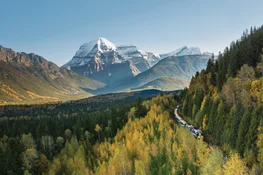
2027 trips at 2026 prices
Complete Canadian Rockies by Train
8 days • April – October
Places visited: Vancouver, Kamloops, Jasper, Lake Louise, Banff
Loading...
See the Canadian Rockies by train aboard Rocky Mountaineer or VIA Rail’s The Canadian. Rocky Mountaineer offers daylight travel with routes through British Columbia and Alberta to Banff or Jasper, while The Canadian provides an overnight sleeper journey to Jasper.
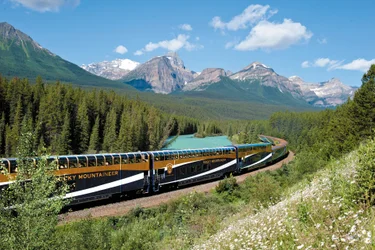
Rocky Mountaineer travels by daylight, while VIA Rail’s The Canadian continues overnight with sleeping accommodation available.
Banff, Lake Louise, and Jasper sit at the heart of the Canadian Rockies and can be combined in one personalized rail vacation.
This mountain range spans Alberta and British Columbia in western Canada, with Banff, Lake Louise, and Jasper as the heart of the range.
Both rail options spend around 2 days travelling through the Rockies.
Below is a selection of the most popular itineraries available through Canadian Train Vacations by Fresh Tracks Canada.
2027 trips at 2026 prices
Places visited: Vancouver, Kamloops, Jasper, Lake Louise, Banff
2027 trips at 2026 prices
Places visited: Vancouver, Kamloops, Lake Louise, Banff
2027 trips at 2026 prices
Places visited: Banff, Jasper, Vancouver

Take our quiz to receive personalized trip recommendations

No sign up required


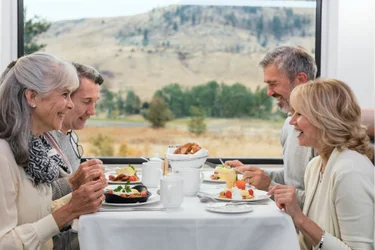
Rocky Mountaineer is the day-time sightseeing train. Its glass-dome coaches are designed for mountain viewing, and guests stay in a hotel each night. SilverLeaf Service offers a single-level glass-dome coach with meals served at your seat. GoldLeaf Service adds a bi-level glass-dome coach with a separate dining room.


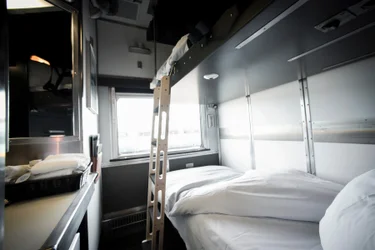
VIA Rail's The Canadian is the overnight sleeper train option. It travels between Vancouver and Toronto through Jasper. Economy seats, Sleeper Plus accommodation, and Prestige class are available, allowing guests to choose between a simple seat or private sleeper train experiences.

Both options offer a relaxed way to experience the Rockies. Many itineraries through Canadian Train Vacations by Fresh Tracks Canada feature both.
The table below covers the key differences between the two rail experiences. All prices shown are in $CAD per person and represent starting prices in low season. On comparable Canadian Train Vacations packages, choosing GoldLeaf Service generally adds about $950–$1,130 CAD per person over SilverLeaf Service. Your Vacation Advisor can provide a detailed quote that includes rail bookings, hotels, sightseeing activities and transfers.
For a full side-by-side comparison of routes, service levels and cost, see our guide Rocky Mountaineer vs VIA Rail
Allow about two days aboard Rocky Mountaineer. The train travels from Vancouver to Kamloops on day one, followed by a hotel stay. On day two, it continues through mountain passes to Banff or Lake Louise. The daylight-only schedule and overnight hotel create a spacious, relaxed pace. For the full itinerary detail, see Vancouver to Banff train.
VIA Rail does not travel directly to Banff. Travellers using The Canadian can leave the train in Jasper and continue through the Rockies by road, or use another gateway such as Edmonton or Calgary as part of a wider itinerary.
Jasper is served directly by both rail operators. VIA Rail’s The Canadian stops in Jasper on its route between Vancouver and Toronto. Rocky Mountaineer’s Journey Through the Clouds connects Vancouver and Jasper via Kamloops. While its Rainforest to Gold Rush route connects North Vancouver to Jasper via Whistler and Quesnel, 2026 is this route’s final season.
The Canadian Rockies are the Canadian segment of the Rocky Mountain range, running through the provinces of Alberta and British Columbia in western Canada. The range stretches roughly 1,500 kilometres from the United States border north to the Peace River region, reaching its highest point at Mount Robson at 3,954 metres (12,972 feet). The mountains form the Continental Divide, separating Atlantic-draining rivers from Pacific-draining rivers, and they contain four UNESCO World Heritage national parks: Banff, Jasper, Yoho and Kootenay.
For rail travellers, the Canadian Rockies are the centrepiece of any western Canada itinerary. The mountain towns of Banff and Lake Louise sit inside Banff National Park in Alberta, while Jasper anchors the northern end of the range inside Jasper National Park. The Columbia Icefield, one of the largest accumulations of ice and snow south of the Arctic, lie midway along the Icefields Parkway between the two towns. To the west, Yoho National Park in British Columbia contains the famous Spiral Tunnels, an engineering feat of the original Canadian Pacific Railway.
A well-designed Canadian Rockies rail vacation will take in several of these highlights:
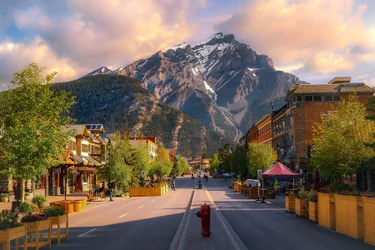
Banff the flagship mountain town, with the Banff townsite, Bow Valley, hot springs and easy wildlife viewing.
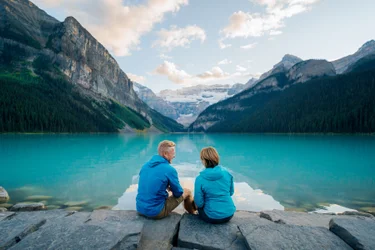
Lake Louise the turquoise glacial lake with Victoria Glacier as its backdrop, and Moraine Lake a short drive away.
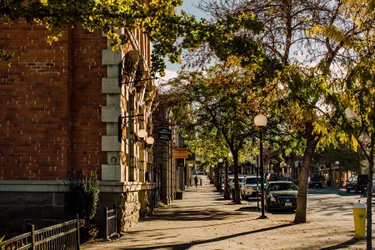
Kamloops the Rocky Mountaineer overnight town in the Thompson River valley of British Columbia, a comfortable staging point between Vancouver and the mountains.
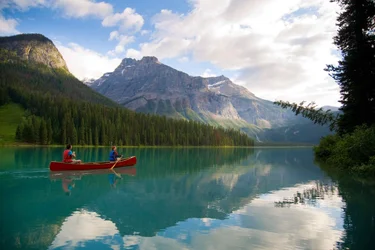
Yoho and the Spiral Tunnels a striking national park with the engineering marvel of the Spiral Tunnels, Emerald Lake and Takakkaw Falls.
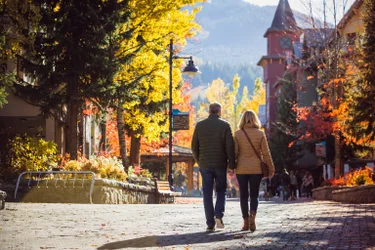
Whistler the world-class mountain resort north of Vancouver, a stop on Rocky Mountaineer's Rainforest to Gold Rush route.
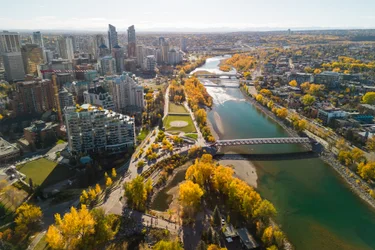
Calgary the main gateway city for flying into the Rockies, about 130 kilometres east of Banff.
Banff
Lake Louise
Kamloops

Banff
Banff the flagship mountain town, with the Banff townsite, Bow Valley, hot springs and easy wildlife viewing.

Lake Louise
Lake Louise the turquoise glacial lake with Victoria Glacier as its backdrop, and Moraine Lake a short drive away.

Kamloops
Kamloops the Rocky Mountaineer overnight town in the Thompson River valley of British Columbia, a comfortable staging point between Vancouver and the mountains.

Yoho
Yoho and the Spiral Tunnels a striking national park with the engineering marvel of the Spiral Tunnels, Emerald Lake and Takakkaw Falls.

Whistler
Whistler the world-class mountain resort north of Vancouver, a stop on Rocky Mountaineer's Rainforest to Gold Rush route.

Calgary
Calgary the main gateway city for flying into the Rockies, about 130 kilometres east of Banff.
Banff, Jasper, Yoho and Kootenay form part of the Canadian Rocky Mountain Parks UNESCO World Heritage Site. Each offers a different perspective on the range, from Banff’s famous lakes and Jasper’s broad wilderness to Yoho’s waterfalls and Kootenay’s hot springs and dramatic valleys.
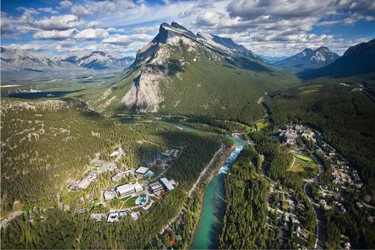
Canada’s first national park includes Banff, Lake Louise, Moraine Lake and the Bow Valley. It is a natural fit for travellers using Rocky Mountaineer’s First Passage to the West.
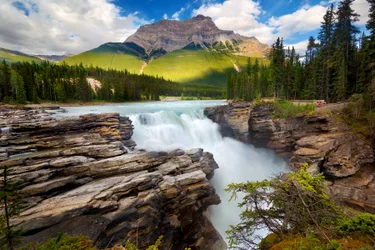
The largest national park in the Canadian Rockies combines glacier-fed lakes, canyons, waterfalls and dark-sky viewing. Jasper is served directly by both Rocky Mountaineer and VIA Rail’s The Canadian.
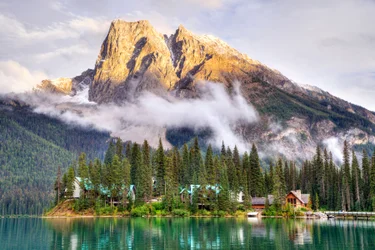
Located in British Columbia, Yoho is known for Emerald Lake, Takakkaw Falls and the Spiral Tunnels. It is commonly included as a road excursion from Banff or Lake Louise.
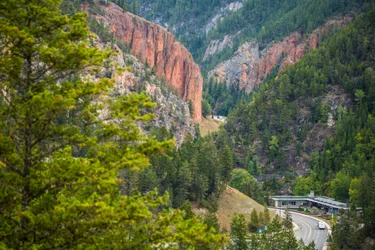
Kootenay’s deep valleys, alpine ridges, ochre beds and Radium Hot Springs show another side of the Rockies. It is generally reached by road as part of a wider mountain itinerary.
Banff National Park
Jasper National Park
Yoho National Park

Banff National Park
Canada’s first national park includes Banff, Lake Louise, Moraine Lake and the Bow Valley. It is a natural fit for travellers using Rocky Mountaineer’s First Passage to the West.

Jasper National Park
The largest national park in the Canadian Rockies combines glacier-fed lakes, canyons, waterfalls and dark-sky viewing. Jasper is served directly by both Rocky Mountaineer and VIA Rail’s The Canadian.

Yoho National Park
Located in British Columbia, Yoho is known for Emerald Lake, Takakkaw Falls and the Spiral Tunnels. It is commonly included as a road excursion from Banff or Lake Louise.

Kootenay National Park
Kootenay’s deep valleys, alpine ridges, ochre beds and Radium Hot Springs show another side of the Rockies. It is generally reached by road as part of a wider mountain itinerary.
Experience an unforgettable 8-day journey through the Canadian Rockies, including two spectacular days aboard Rocky Mountaineer and time in Banff and Jasper. Stay overnight at Glacier View Lodge, overlooking the awe-inspiring Columbia Icefield, and venture onto the ancient Athabasca Glacier. Available only in September, this special trip offers excellent wildlife viewing and beautiful fall colours.
Available:
Length:
Time on train:
Price from:
Train type:
For Rocky Mountaineer, the rail season runs roughly from mid-April to mid-October. VIA Rail operates The Canadian throughout the year, although seasonal conditions affect the scenery and available land activities.
Rocky Mountaineer operates in both eastbound and westbound directions on applicable routes. Choose the direction that best fits your complete itinerary rather than expecting a meaningful difference in scenery or price. VIA Rail shares track with freight trains, so delays can occur; avoid tight same-day connections and leave flexibility around flights, cruises and fixed reservations.
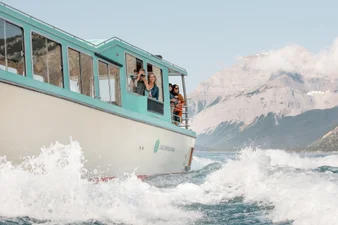
Summer is the peak tourist season in the Canadian Rockies.
Popular tourist spots get crowded during the summer time (June to August), so it is advisable to book accommodations and attractions in advance.
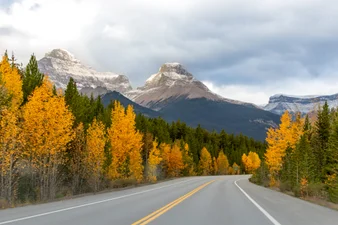
The fall is another one of the best times to visit the Canadian Rockies.
It is a fantastic time for photography, as the landscapes transform into a breathtaking display of autumn colours. The season is a great time for hiking, wildlife spotting, and enjoying the peacefulness of the region.
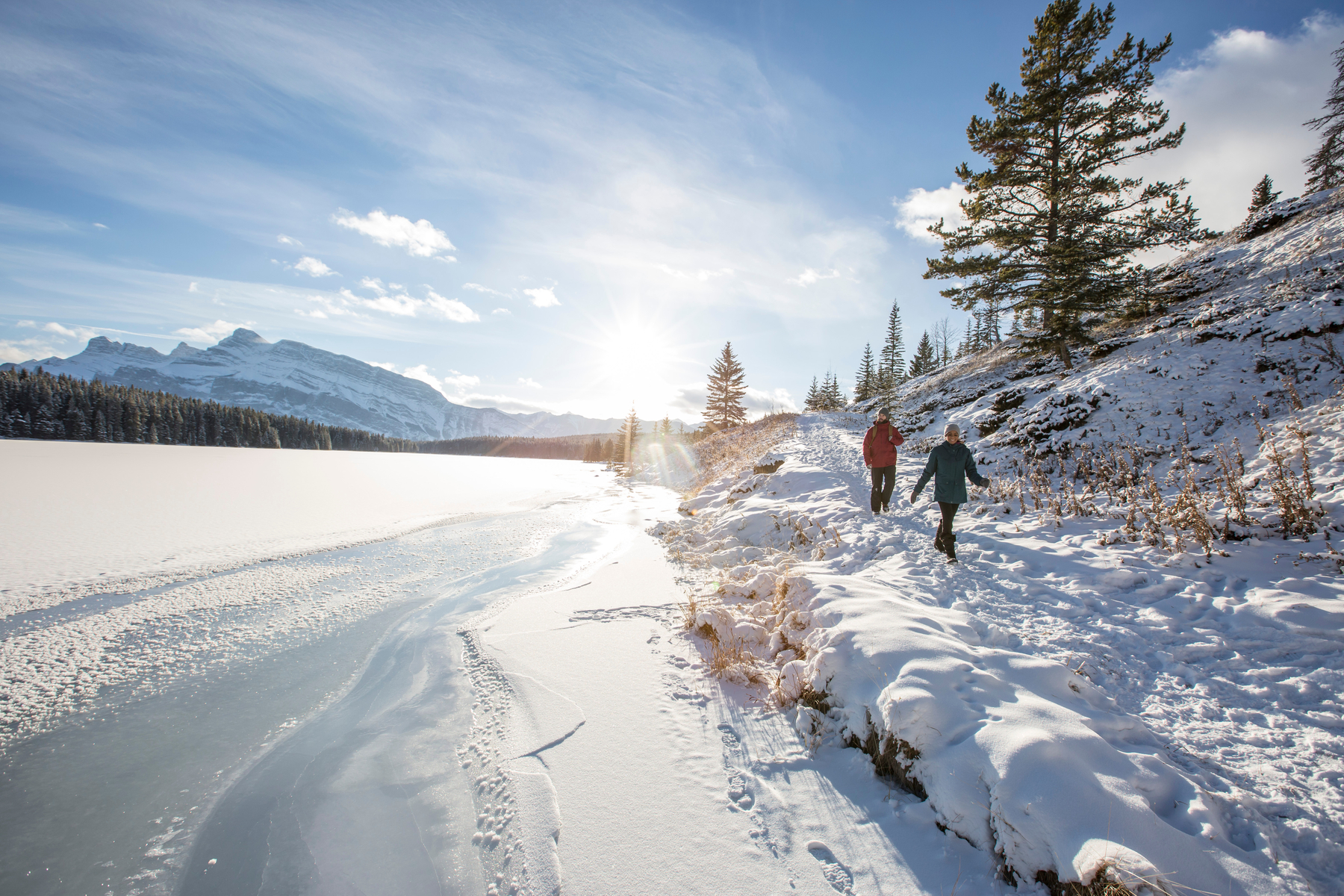
Winter in the Canadian Rockies is a magical time for winter sports enthusiasts.
Note that attractions and roads are limited in accessibility during the wintertime, so it is essential to plan accordingly.
.jpg?auto=webp&format=webp&width=338&max_age=31536000)
Spring in the Canadian Rockies, from April to May, marks the transition from snow to the vibrant green of summer.
The season offers a quieter, more relaxed atmosphere before the summer crowds arrive.
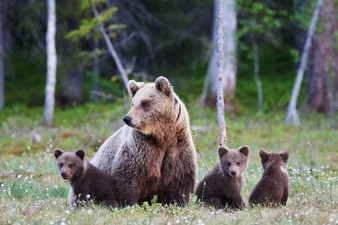
The Rockies are one of Canada's most visited regions, and the most-photographed spots do get busy in July and August.
These planning tips are for guests who prefer a quieter experience:
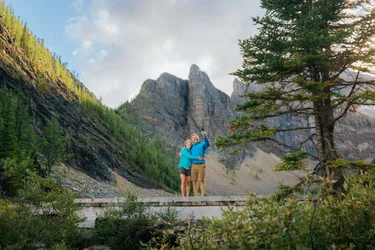
Choose from easy walks and longer trails leading to waterfalls, alpine meadows and glacier viewpoints. Popular options include Johnston Canyon near Banff and the Lake Agnes Tea House Trail at Lake Louise; trail access and conditions vary by season.
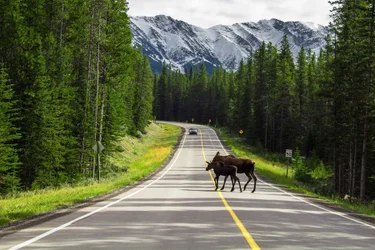
Look for elk, bighorn sheep, mountain goats, bears and eagles in their natural habitats. Guided experiences in Banff and Jasper can help travellers observe wildlife responsibly and from a safe distance.
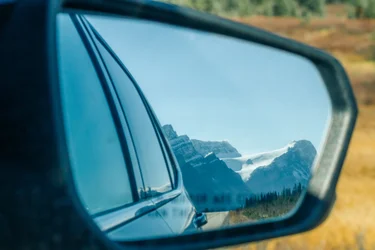
Travel the Icefields Parkway between Banff and Jasper or follow the Bow Valley Parkway for mountain viewpoints, alpine lakes and stops such as the Columbia Icefield.
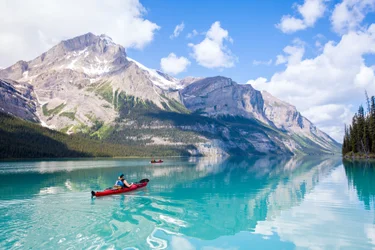
Paddle calm glacier-fed lakes for a quieter view of the surrounding peaks. Lake Louise, Emerald Lake and Moraine Lake are well-known settings; rentals and access are seasonal and may require advance planning.
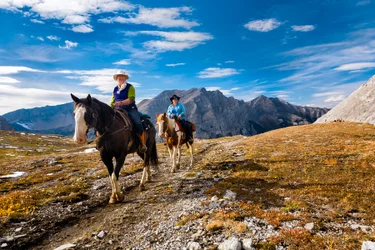
Join a guided trail ride through forests, valleys and alpine landscapes for a slower-paced way to experience the Rockies.
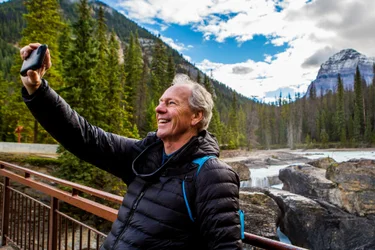
Capture mountain ranges, turquoise lakes, waterfalls and wildlife from established viewpoints and guided excursions throughout Banff, Jasper and Yoho.
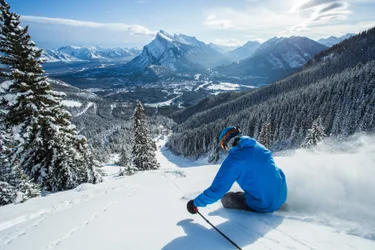
In winter, skiing, snowshoeing, ice skating and guided wildlife experiences reveal the Rockies under snow. VIA Rail’s year-round service makes a winter rail itinerary possible when Rocky Mountaineer is not operating.
Hiking and backpacking
Wildlife viewing
Scenic drives

Hiking and backpacking
Choose from easy walks and longer trails leading to waterfalls, alpine meadows and glacier viewpoints. Popular options include Johnston Canyon near Banff and the Lake Agnes Tea House Trail at Lake Louise; trail access and conditions vary by season.

Wildlife viewing
Look for elk, bighorn sheep, mountain goats, bears and eagles in their natural habitats. Guided experiences in Banff and Jasper can help travellers observe wildlife responsibly and from a safe distance.

Scenic drives
Travel the Icefields Parkway between Banff and Jasper or follow the Bow Valley Parkway for mountain viewpoints, alpine lakes and stops such as the Columbia Icefield.

Canoeing and kayaking
Paddle calm glacier-fed lakes for a quieter view of the surrounding peaks. Lake Louise, Emerald Lake and Moraine Lake are well-known settings; rentals and access are seasonal and may require advance planning.

Horseback riding
Join a guided trail ride through forests, valleys and alpine landscapes for a slower-paced way to experience the Rockies.

Photography
Capture mountain ranges, turquoise lakes, waterfalls and wildlife from established viewpoints and guided excursions throughout Banff, Jasper and Yoho.

Winter activities
In winter, skiing, snowshoeing, ice skating and guided wildlife experiences reveal the Rockies under snow. VIA Rail’s year-round service makes a winter rail itinerary possible when Rocky Mountaineer is not operating.
CTV package prices depend on the rail experience, trip length, hotels, transfers and included activities. The examples below are complete Canadian Train Vacations itineraries, not standalone VIA Rail or Rocky Mountaineer tickets. Prices are per person in Canadian dollars and may change with availability and trip choices.
Senior discounts will be included in your quote, if available. Eligibility and conditions vary, while Rocky Mountaineer pricing is based on the departure, route and service level selected.
A Canadian Insider can personalize your quote so you can focus your budget on the train, hotels and experiences that matter most to you.
Most Canadian Rockies rail vacations begin in Vancouver, the gateway city on Canada's West Coast. Vancouver sits at the foot of the Coast Mountains where the Pacific Ocean meets British Columbia's lush temperate rain forest, and it is a rewarding city to spend a day or two before or after the mountains.
From Vancouver the Rocky Mountaineer heads east, and for some guests the journey extends in the other direction too: an Alaska cruise departing from Vancouver or Seattle can add a coastal leg to any Rockies trip, calling at ports such as Juneau in Alaska, where the harbour, Mendenhall Glacier, totem parks and downtown waterfront walks are easy to enjoy.
The Canadian Rockies reward unhurried exploration, and the right itinerary is different for every traveller. Some guests want two focused days on Rocky Mountaineer with a little time in Vancouver and Banff; others want ten days that take in Jasper, the Columbia Icefields and a coastal start in Victoria.
Our local travel experts at Canadian Train Vacations by Fresh Tracks Canada have visited the Canadian Rockies many times and will find the right combination of train, timing and hotel for you.
Useful Links
Canadian Train Trip FinderCanadian Train Tours for SeniorsWhere to go in CanadaJourneys Across CanadaCanadian Rockies and West CoastEastern Canada and The MaritimesCanadian North and ArcticEastern Canada Train ToursWestern Canada Train ToursTrain Trips from VancouverRoad Trips and Self DrivesFamily AdventuresVacations for Active SeniorsCanadian History and Culture TripsWildlife Viewing Train VacationsCanadian Pacific RailwayExplore Canada
VIA Rail Train Across CanadaRocky Mountaineer Train TripsThe Canadian TrainRocky Mountaineer Train CostCanadian Rockies Train TripsBest Train Trip in CanadaLuxury Train CanadaCanadian Sleeper TrainVancouver to Banff TrainToronto to Vancouver TrainTrain from Calgary to VancouverBanff to Jasper TrainWinter Train CanadaVIA Rail Prestige ClassBest Alaska Cruise and Train PackageVIA Rail PricesPopular Train Trips
Trans Canada TrainCanada Coast to Coast TrainCanada Cross Country TrainVancouver to Toronto Train TripCanadian Rockies Train TripToronto to Quebec City TrainLuxury Train Trip from Montreal to Quebec CityWinter Train WonderlandCalgary to Toronto Train TripRocky Mountaineer and Alaska CruiseBanff and Jasper Tours from CalgaryLords of the Wilderness Bear ViewingRockies Winter Wonderland by TrainCanadian Cross-Country Journey in WinterEssential Rockies by TrainThe Canadian Train Prestige Class CostCanadian Train Vacations
About Us© 2026 Fresh Tracks Canada
